Typestory: A Bold Handwritten Font for Branding
I opened my design board this morning with a blank slate and a specific challenge. The client needed a visual identity that felt authentic, energetic, and deeply human. They run a small, locally sourced coffee roastery, and the previous branding was too sterile. It lacked soul. I needed a handwritten font that could carry the weight of a logo but also guide the eye through blocks of text without losing its personality. That is when I turned to Typestory.
As a graphic designer who has tested countless typefaces from the Script Amp category, I know how easy it is to get lost in decorative fonts that look great at 200 points but fall apart on a business card. Typestory immediately stood out as a premium font that bridges the gap between casual expression and professional reliability. Its bold strokes command attention, yet the natural variation in the letterforms keeps it from feeling mechanical or rigid.
First Impressions: Testing the Typeface
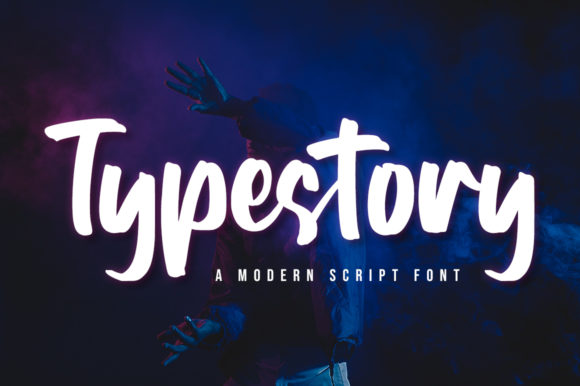
The first step in any branding project is the mockup phase. I dragged the Typestory file into my layout software and started typing the client's name. The result was instant. The thick downstrokes and fluid connections gave the wordmark an organic, hand-painted feel. It looked like something you might see on a chalkboard menu outside a bustling café, but with the polish of a modern typography system.
What struck me most during this initial test was the consistency of the baseline. Many creative fonts wobble too much, making alignment a nightmare. Typestory maintains a steady rhythm even with its maximum and minimum variations. This stability is crucial when you are designing a brand identity that needs to scale across different mediums. Whether I was shrinking the logo for a social media avatar or expanding it for a shop sign, the legibility remained intact.
Beyond the Logo: Versatility in Brand Identity
A common misconception about script fonts is that they are only suitable for headlines. While Typestory shines as a display font, its true power lies in its versatility. The description notes that it works for blocks of text with both maximum and minimum variations, and my testing confirmed this. I experimented with setting a short paragraph of mission statement copy in Typestory.
Surprisingly, the boldness of the characters didn't make the text feel heavy or cluttered. Instead, it created a strong visual hierarchy. When paired with a clean sans serif font for body copy, Typestory acted as the perfect accent, drawing the reader's eye to key phrases and calls to action. In editorial design, this kind of dynamic contrast is essential for keeping the audience engaged.
I moved the design onto packaging mockups next. Imagine a matte black coffee bag with the brand name in white Typestory. The handwritten nature of the font suggests craftsmanship and care. It tells a story before the customer even reads the ingredients list. For product labels, especially in the food and beverage sector, this level of perceived authenticity can significantly impact brand perception. It transforms a commodity into a curated experience.
Visual Hierarchy and Readability
When working on web design, readability is non-negotiable. I placed Typestory in the hero section of a website mockup. As a headline font, it performed exceptionally well. The large x-height and distinct character shapes made it readable even on smaller mobile screens. However, I learned quickly that while it handles short paragraphs well, it should not be used for long-form reading material like blog posts or legal disclaimers.
This is where font pairing becomes critical. To balance the expressive nature of Typestory, I selected a neutral geometric sans serif font. This combination creates a harmonious dialogue between the two styles. The sans serif provides structure and clarity, allowing the handwritten font to shine as the emotional anchor of the design. This approach ensures that the brand feels both modern and approachable.
Practical Applications in Real Work
In a real-world scenario, a font must work across a variety of touchpoints. Here is how Typestory held up in different contexts during my project:
- Social Media Graphics: On Instagram posts, the bold strokes of Typestory cut through the noise of the feed. It worked perfectly for quote cards and promotional announcements, grabbing attention instantly.
- Printed Marketing Materials: For flyers and posters, the font added a layer of texture and warmth that standard digital fonts often lack. It felt tactile, even on paper.
- Merchandise: When applied to tote bags and t-shirts, the script style maintained its integrity. The curves flowed naturally over the fabric folds in the mockups, suggesting a high-quality print job.
- Business Cards: Even at a smaller size, the primary logo mark remained recognizable. The bold weight ensured that the brand name wasn't lost in the details.
Technical Considerations for Designers
Before committing to a commercial font for a client, I always check the technical specifications. Typestory comes with a robust set of features that support complex design needs. The inclusion of alternates and ligatures allows for customization. For example, I used an alternate 'g' to give the logo a slightly more unique flair without deviating from the core typeface style.
Licensing is another vital aspect. As a commercial font, Typestory offers the necessary rights for branding projects, ensuring that the client can use the asset across their entire ecosystem without legal hurdles. Whether you are a freelancer building a portfolio or a creative studio managing multiple accounts, having a reliable license is part of professional practice.
Multilingual support is also a consideration for global brands. While the primary focus here was on English text, checking the character set is a good habit. If your client plans to expand internationally, knowing whether the font supports extended Latin characters or other scripts can save you from redesigning the whole identity later.
Final Thoughts on Integration
After spending the day with Typestory, I am confident in its ability to elevate a brand. It is not just a decorative element; it is a functional tool that communicates values like creativity, boldness, and humanity. For the coffee roastery project, it provided the exact tone we were looking for—energetic yet grounded.
If you are looking for a script font that can handle the demands of modern branding, Typestory deserves a spot in your library. It works beautifully as a headline font, a logo typeface, and an accent for marketing materials. Just remember to pair it wisely and respect its strengths. Use it where you want to inject personality, and let a simpler font handle the heavy lifting of information delivery.
In the world of Fonts, finding a typeface that balances art and utility is rare. Typestory manages to do both, making it a fantastic choice for designers who want their work to tell a compelling story.